In a year marked by crisis, Global Ehsan Relief rose to the moment with resilience and innovation. From delivering clean water in Cambodia to launching our first local project in Singapore, GER responded to the needs of both distant and nearby communities. As the COVID-19 pandemic reshaped the world, our teams adapted swiftly; Providing aid, education, and hope in the face of uncertainty.


As the world grappled with unprecedented change, Global Ehsan Relief responded with ingenuity and determination across multiple fronts. In remote villages where women had traditionally walked miles each day balancing water jugs on their heads, the Care For Clean Water initiative transformed daily life with the installation of community water wells.
In one Cambodian village, elderly grandmother Mei Lin rested on a bench near the new well, watching children fill containers with clean water. "For seven decades, I carried water until my back curved like a bow," she said, her weathered hands gesturing to the younger generation.
"These children will never know that burden. Instead, they will use those hours for education and play." Each well became not just a water source but a community gathering place where news was shared, friendships formed, and collective decisions made.


Closer to home, GERSG launched its first local project in Singapore, recognising that vulnerability exists even in the world's most prosperous nations. Teams delivered support packages to isolated elderly residents and migrant workers, demonstrating that humanitarian work begins in one's own neighborhood.
"Sometimes we look far away to find those in need," reflected a volunteer sorting care packages, "when suffering exists just streets away from our homes."
This initiative created bridges between communities that rarely interacted despite physical proximity.


As COVID-19 swept across continents, GER rapidly pivoted existing programs to address the pandemic's unique challenges. When borders closed and supply chains faltered, their established presence in multiple countries proved invaluable. Local staff distributed hygiene kits, food assistance, and medical supplies to families whose livelihoods vanished overnight.
In refugee camps particularly vulnerable to the virus, GER workers conducted awareness sessions and provided essential protective equipment.
"The pandemic didn't respect borders, wealth, or status," noted a field coordinator. "Neither did our response."


Against the backdrop of travel restrictions, a small team of determined supporters ascended Mount Muntahak in the Hike for Orphans fundraiser. Each grueling step up the mountain represented their commitment to children who had lost everything.
Through live social media updates from the trail, they inspired hundreds of virtual participants to contribute to orphan sponsorship programs from the safety of their homes.
At the summit, exhausted but triumphant, they unfurled a banner bearing the names of orphans who would now receive ongoing support for their education and wellbeing.


In Jordan's dusty refugee settlements, where Syrian families had waited years for a return to normalcy, a dedicated school building opened its doors to children who had missed years of education.
Meanwhile, in Lebanon's crowded camps where space was too limited for permanent structures, the innovative School in a Bus program brought education directly to students.
These mobile classrooms, equipped with learning materials and staffed by trained teachers, became beacons of normality and hope amid displacement. "Education cannot wait for conflict to end," explained the program director. "These children's futures depend on learning today."
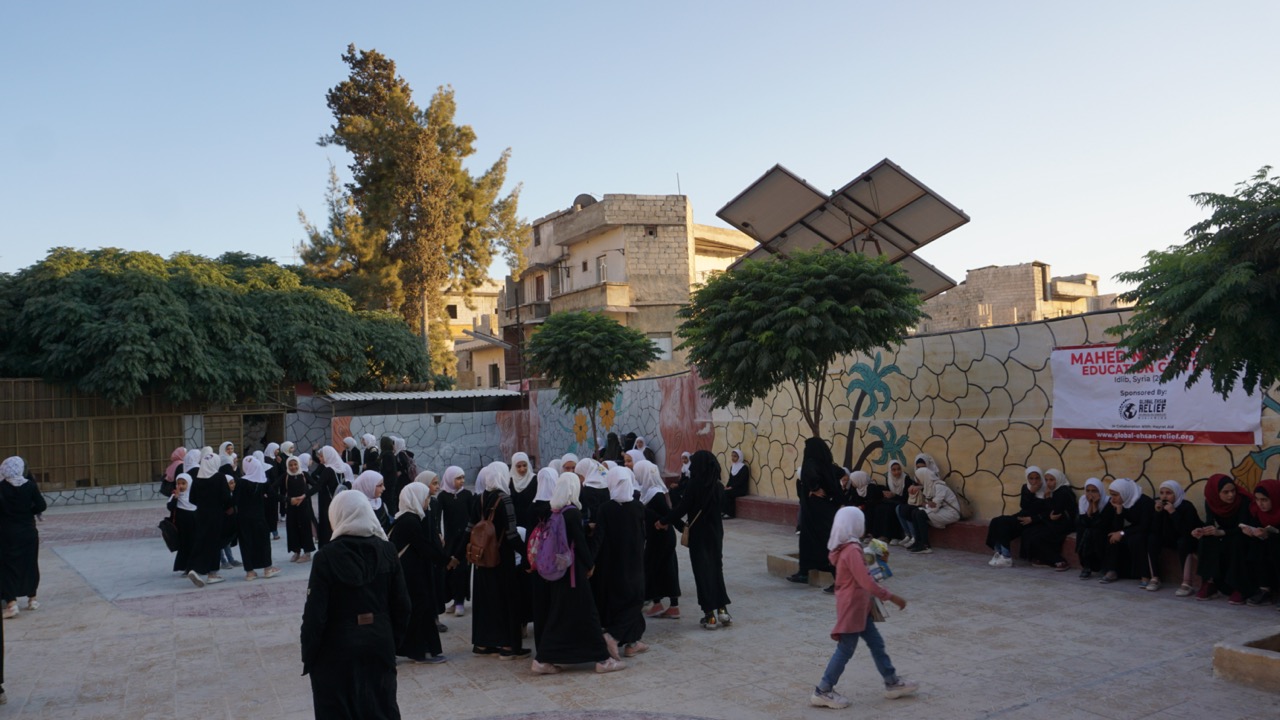
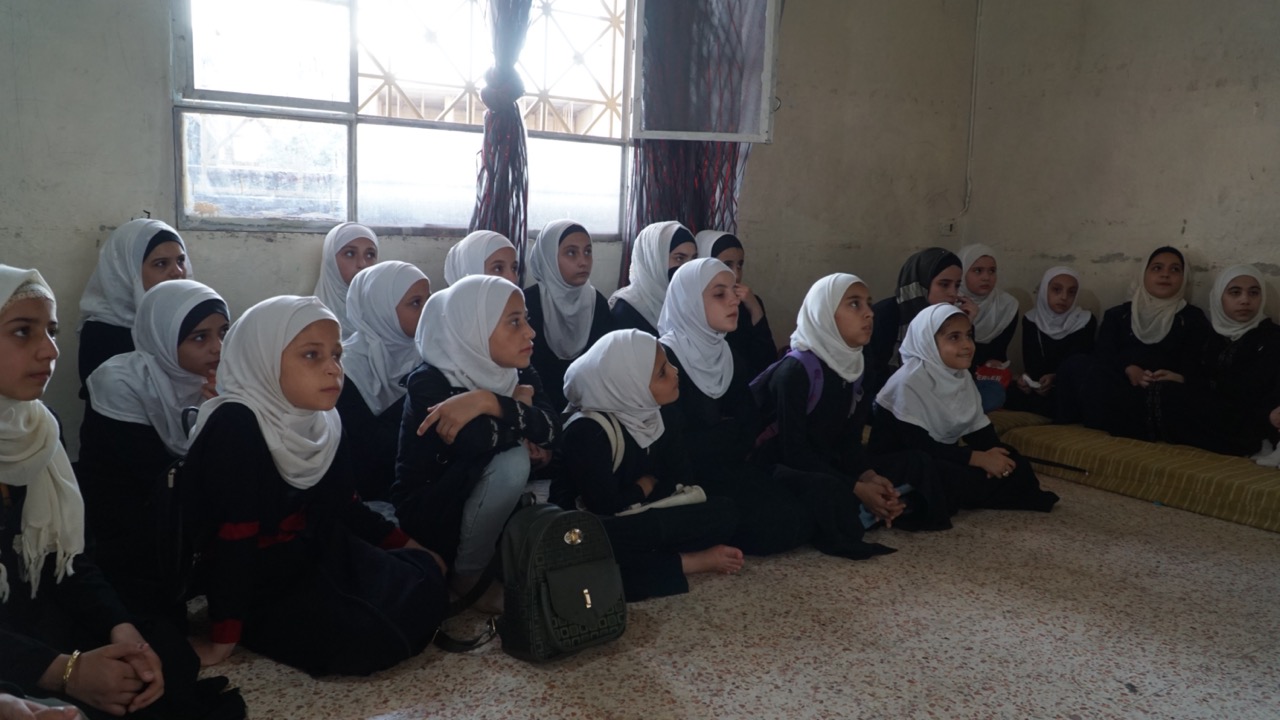
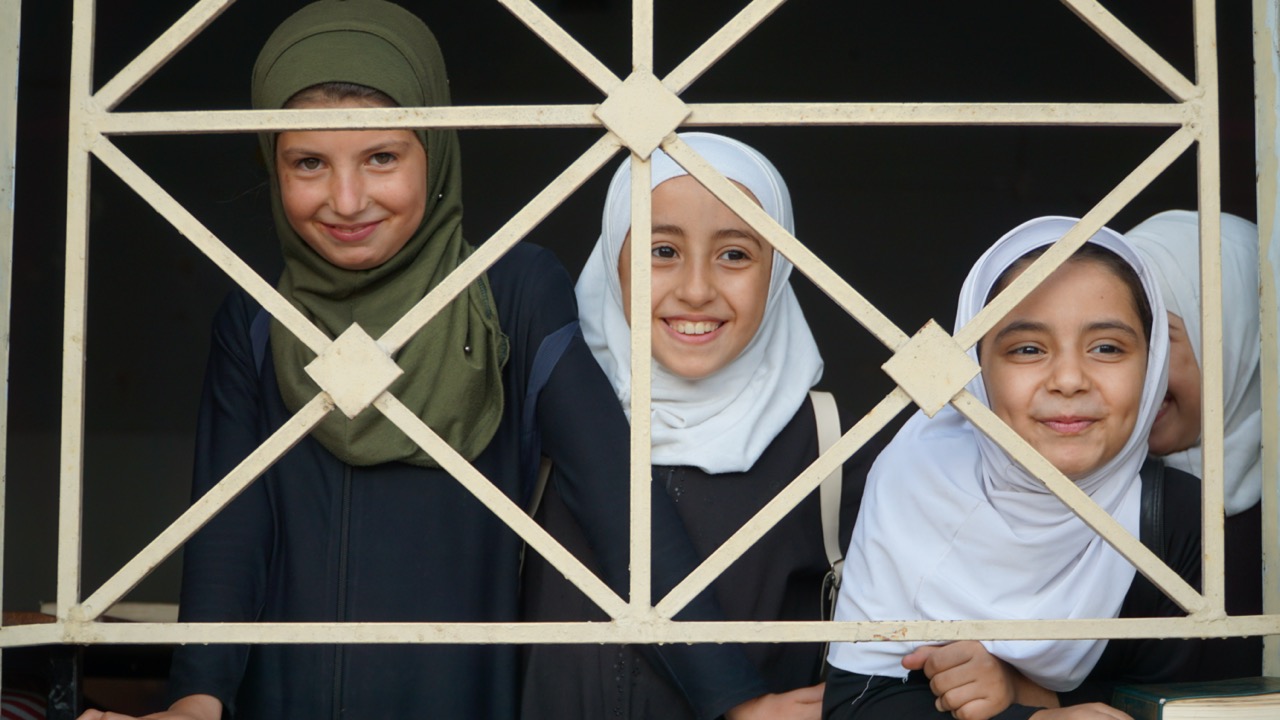
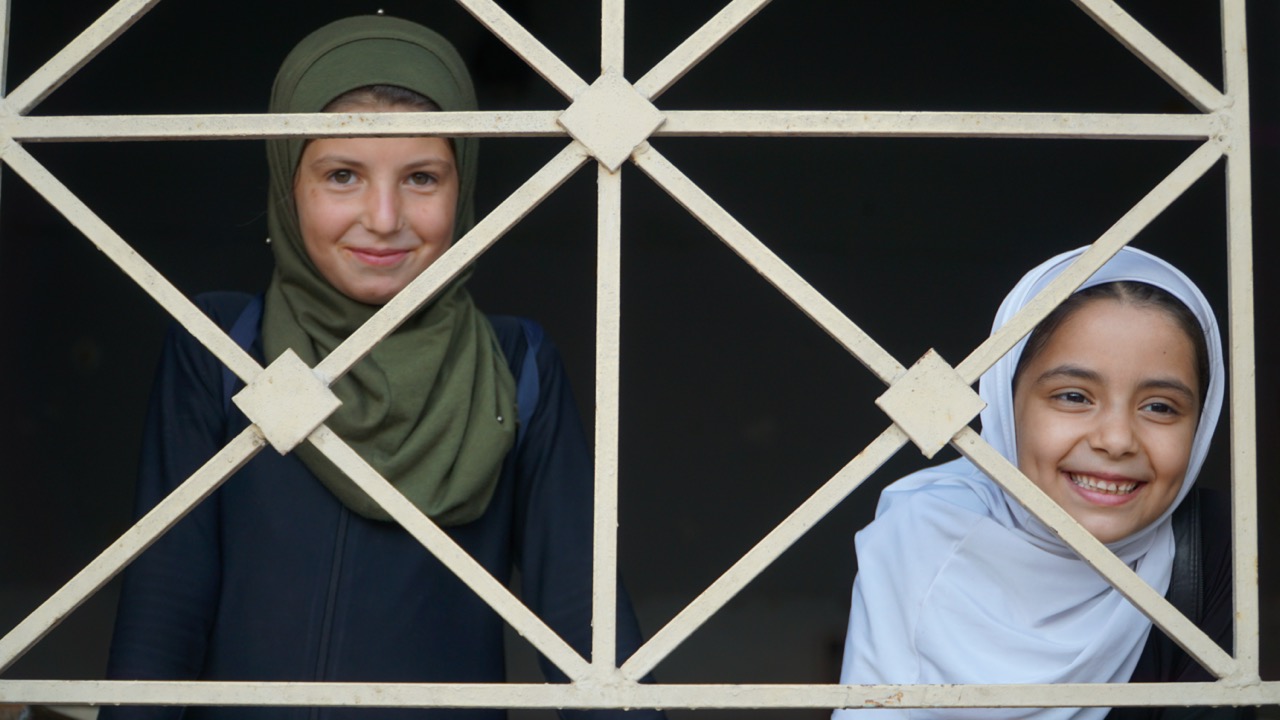
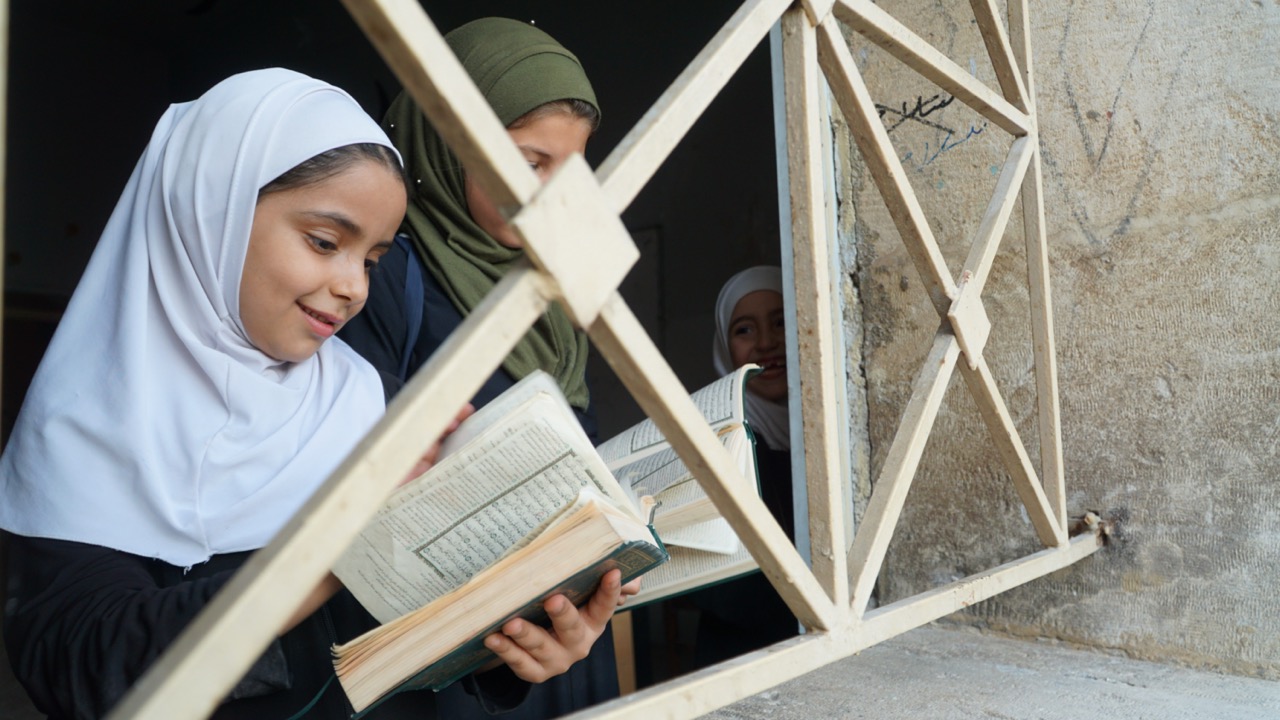
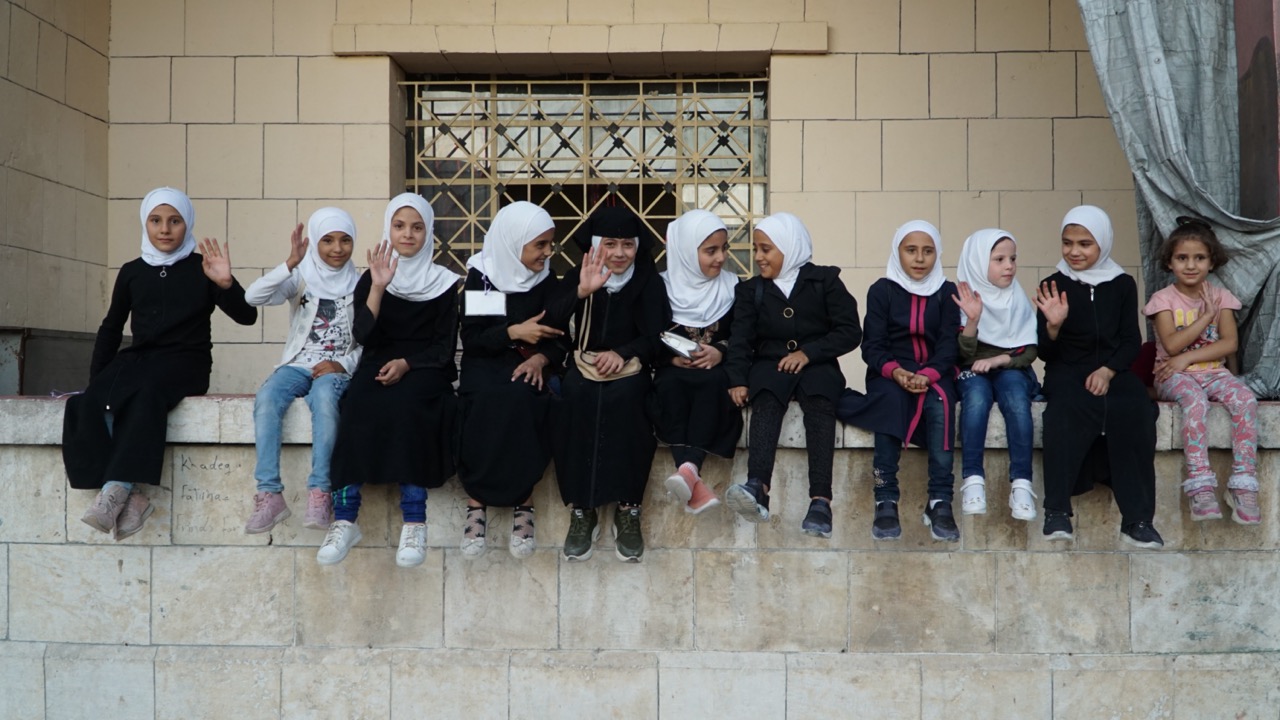
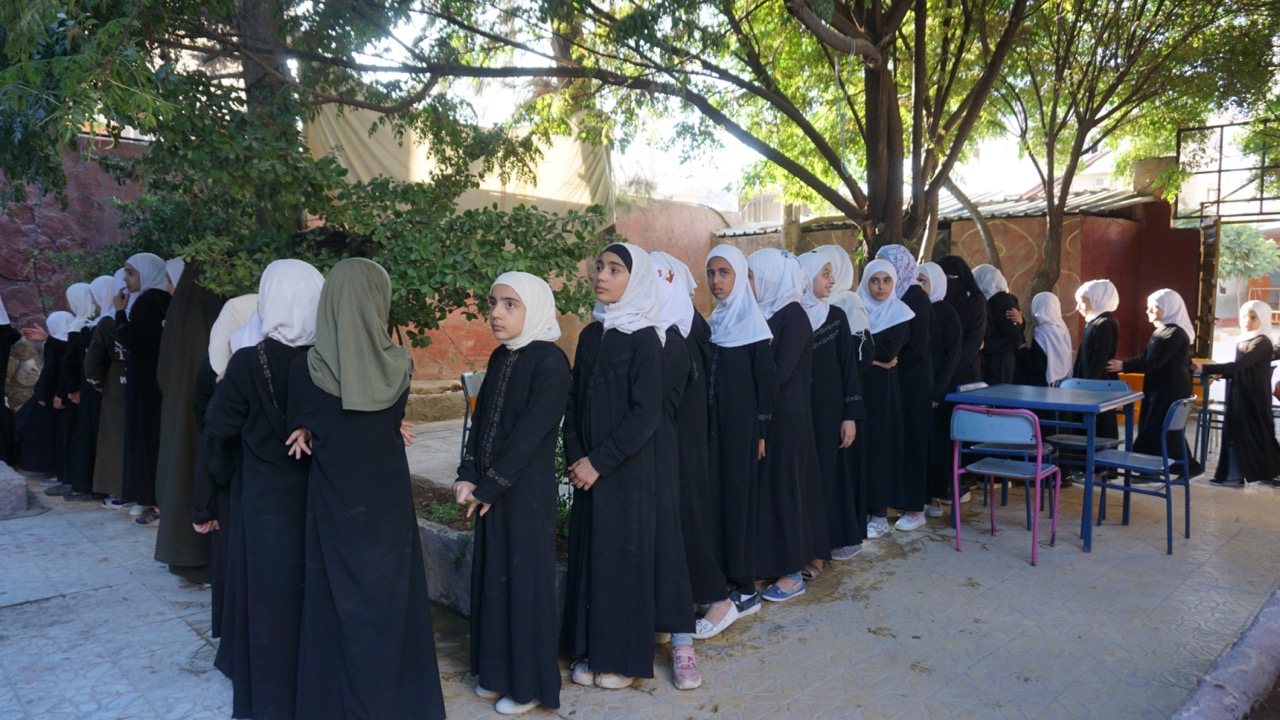
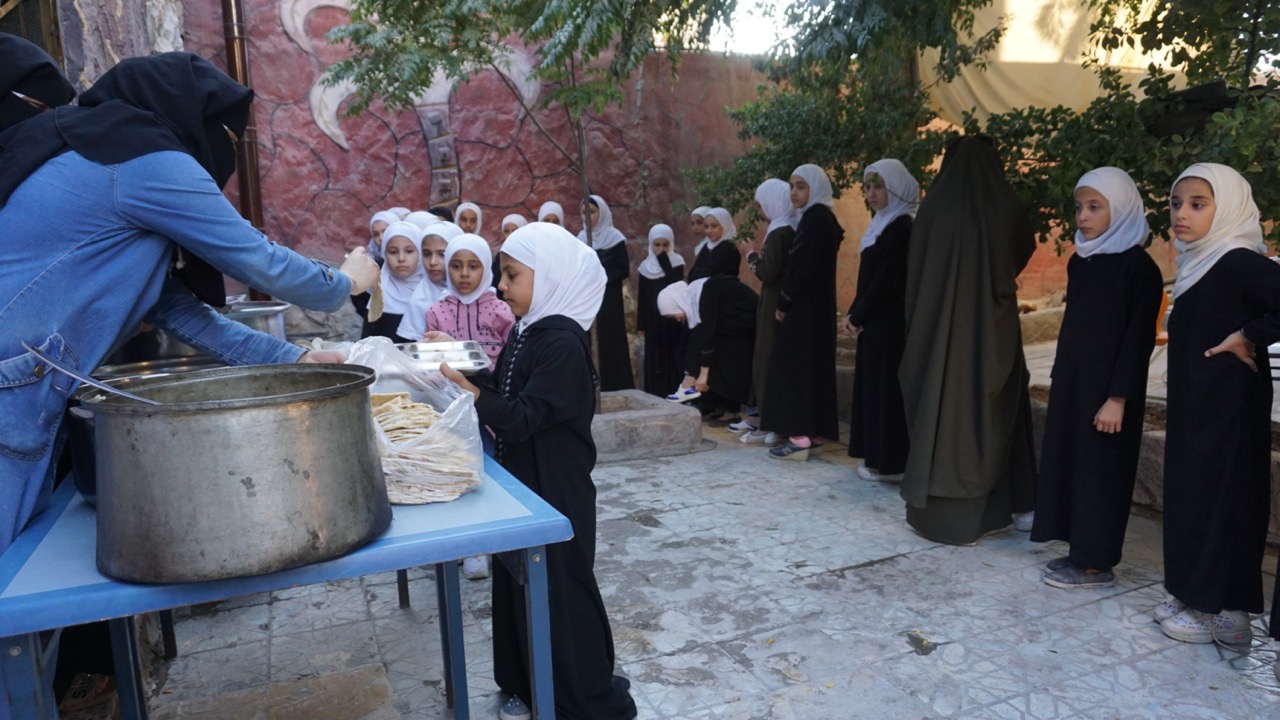
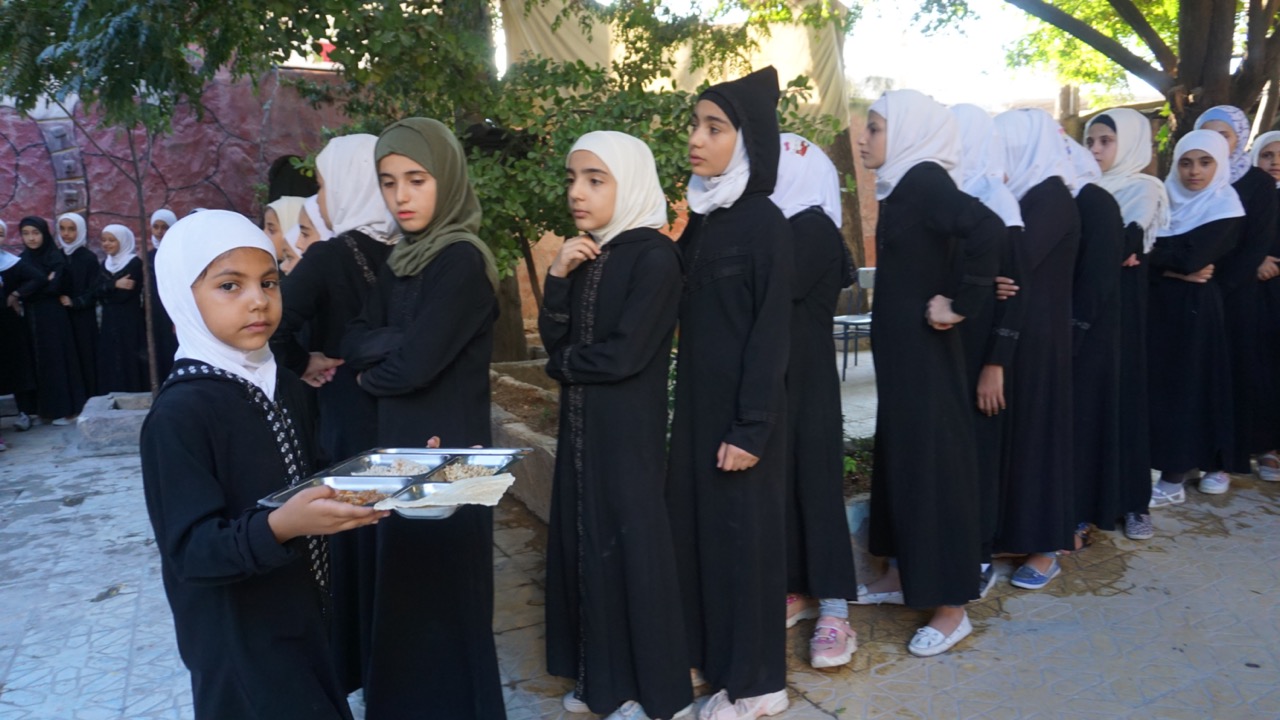
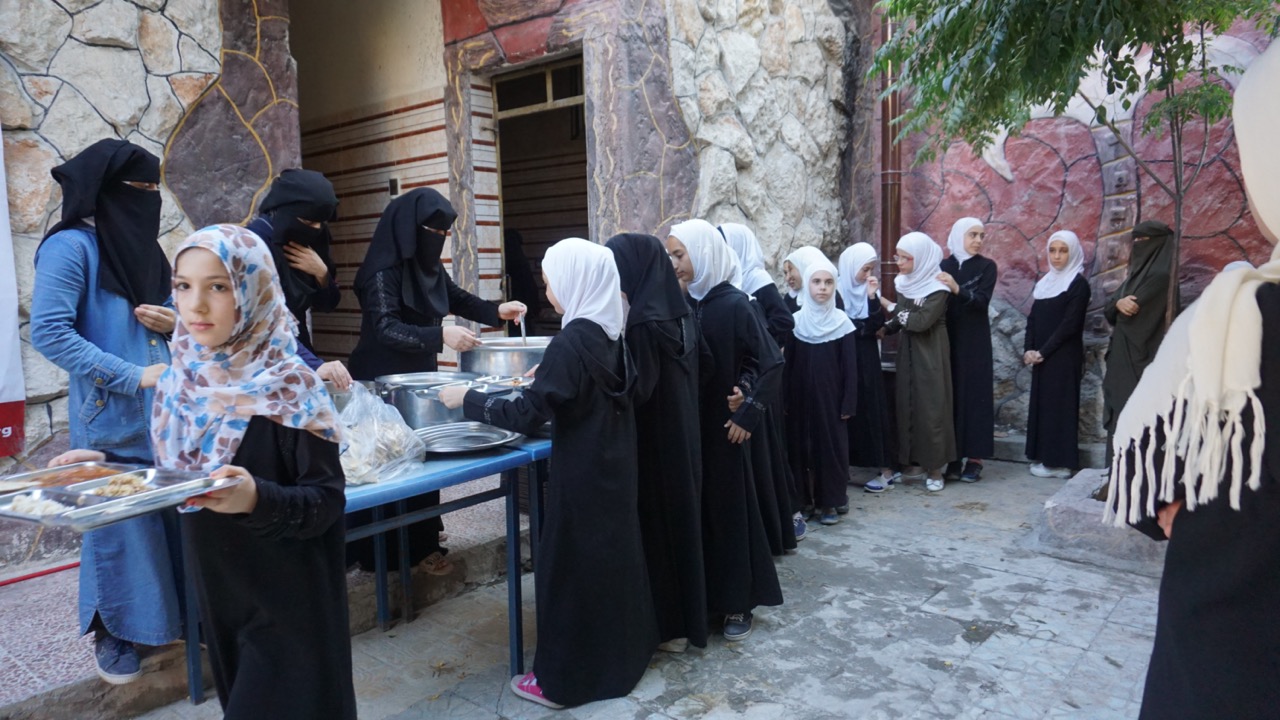
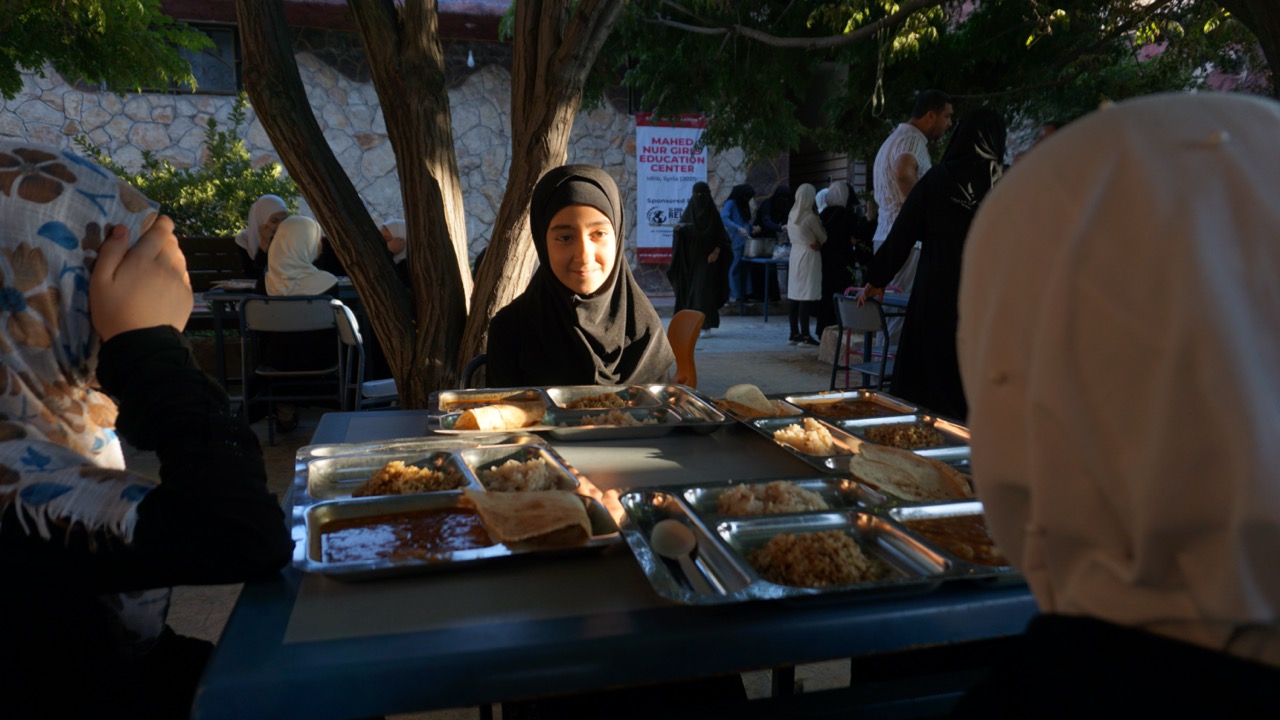
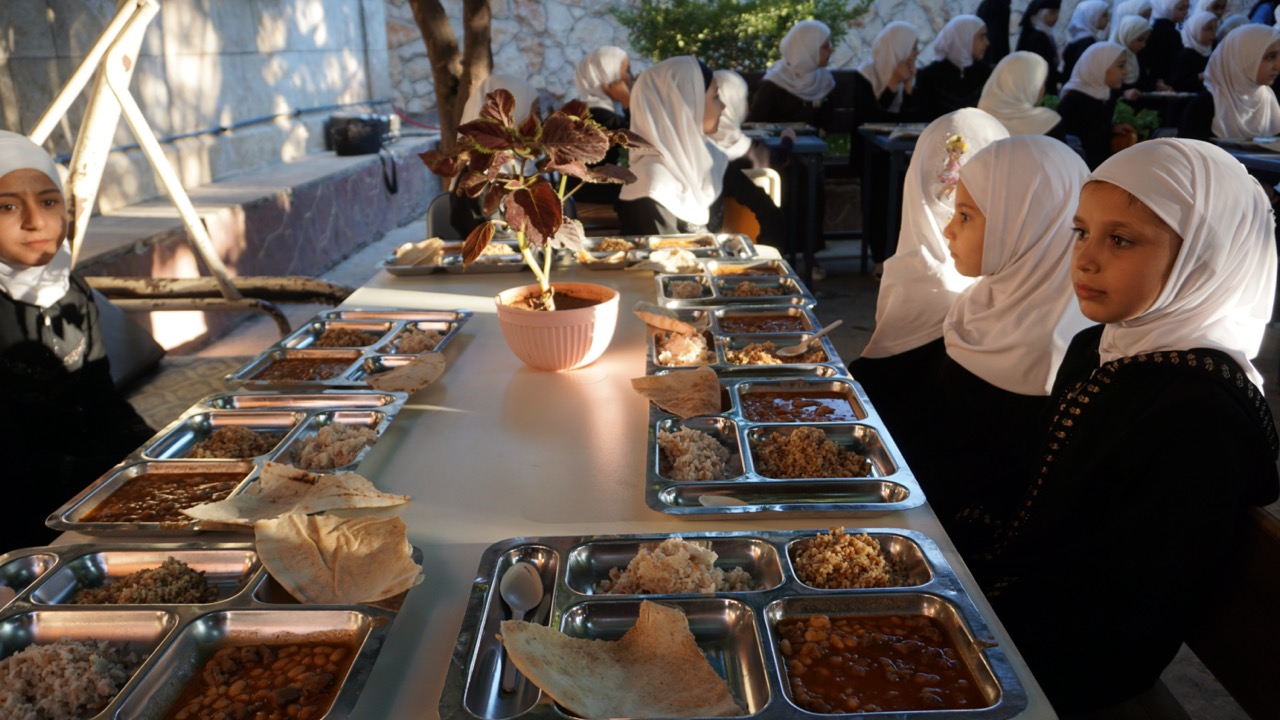
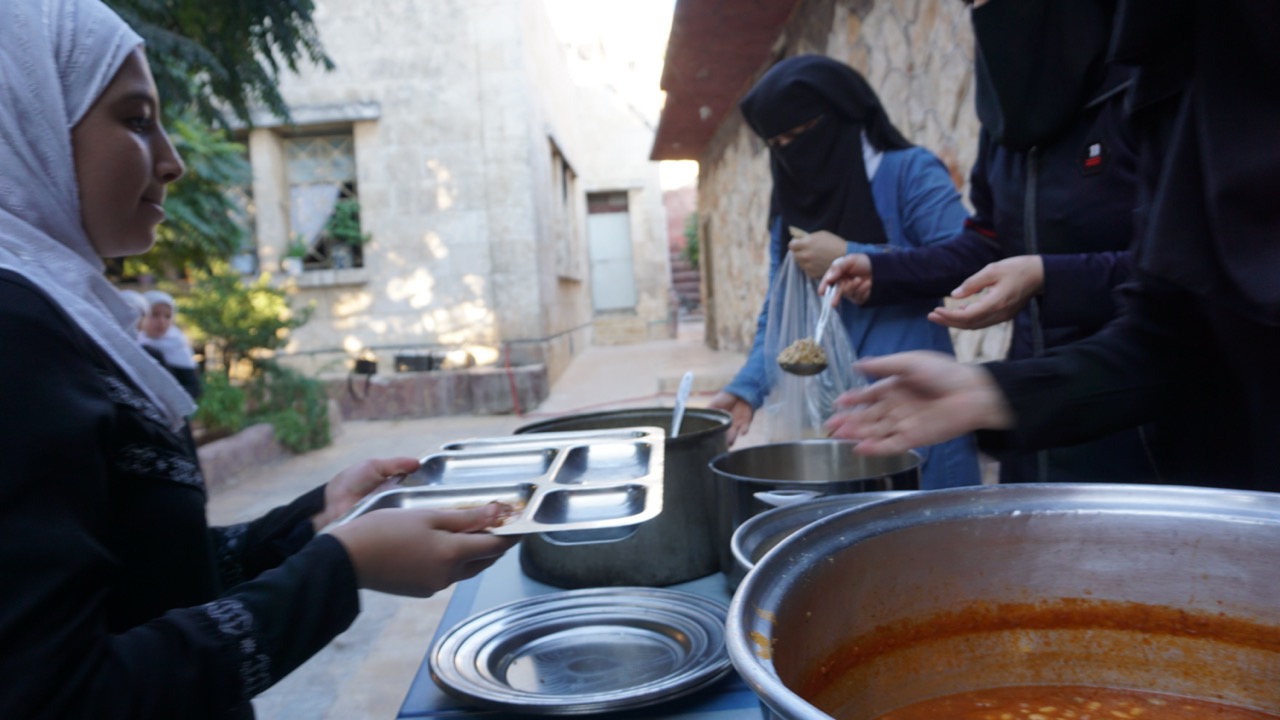
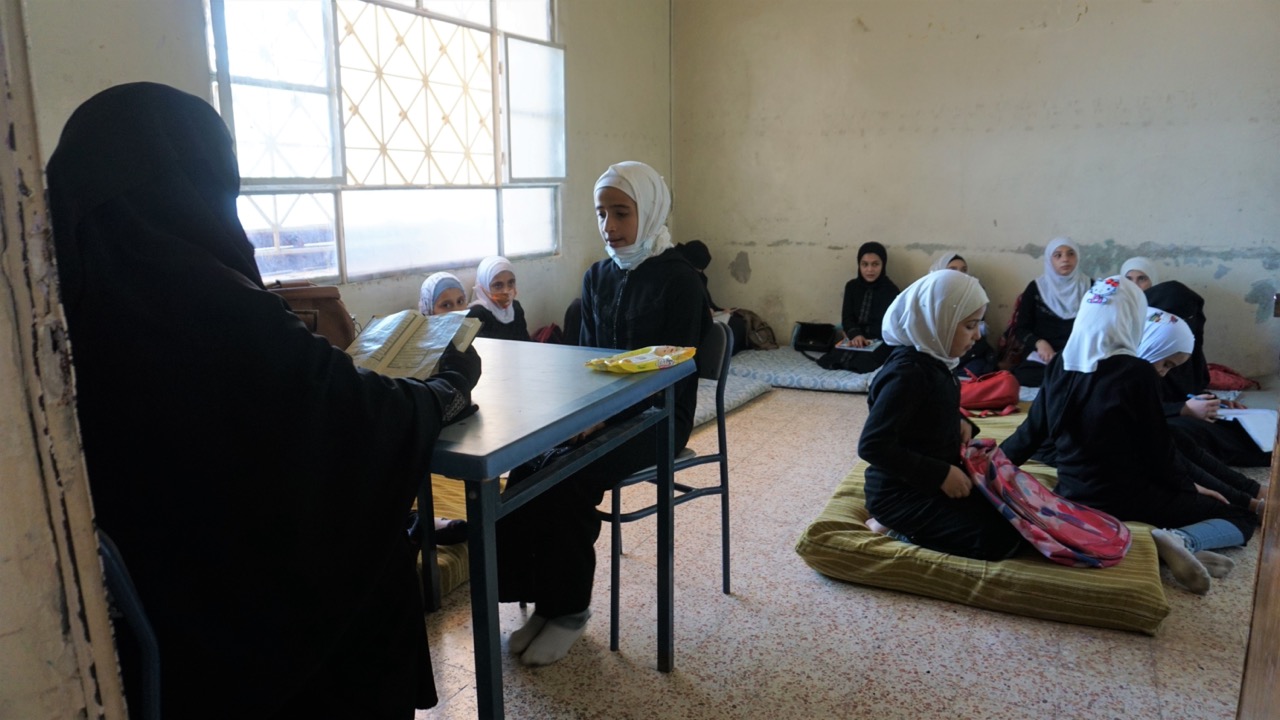
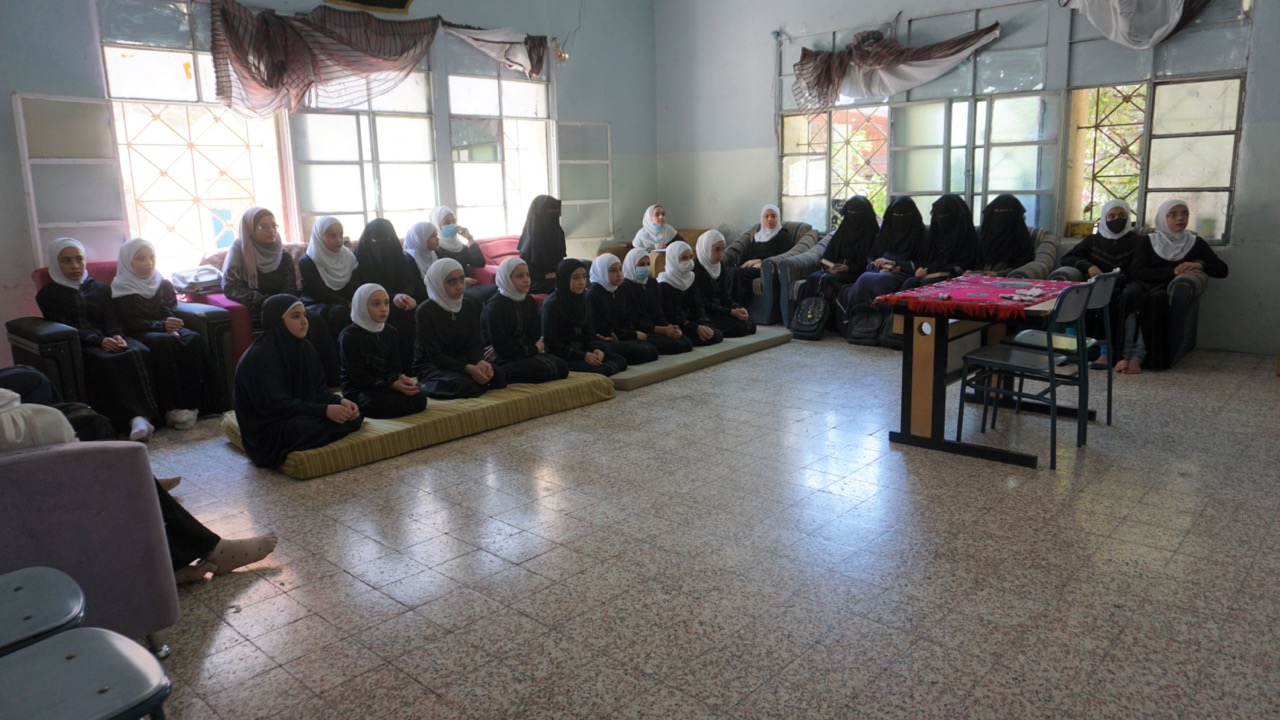
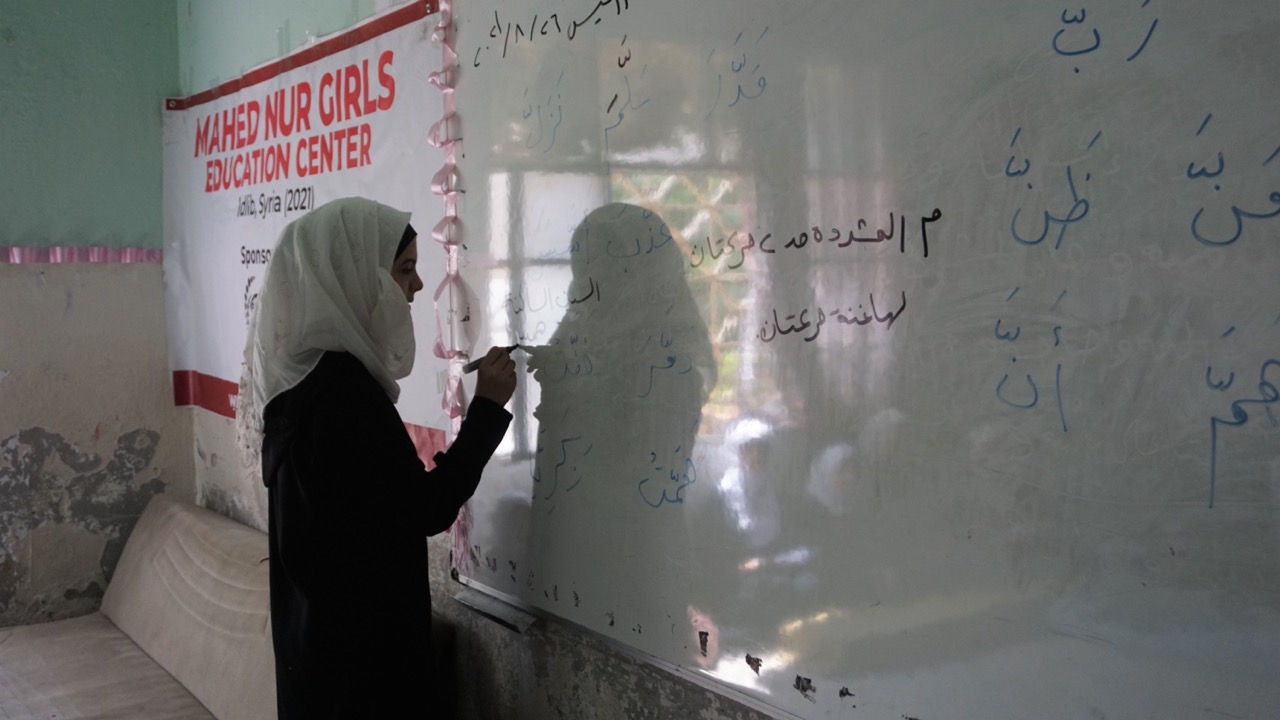
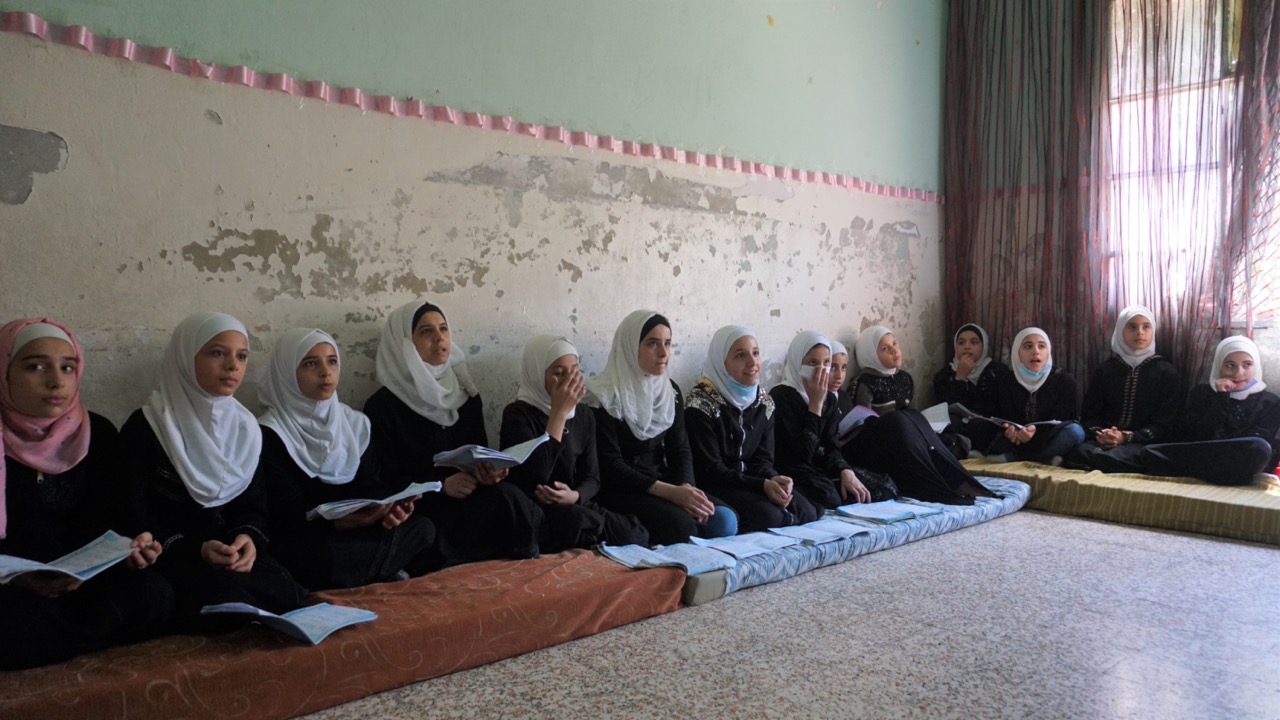
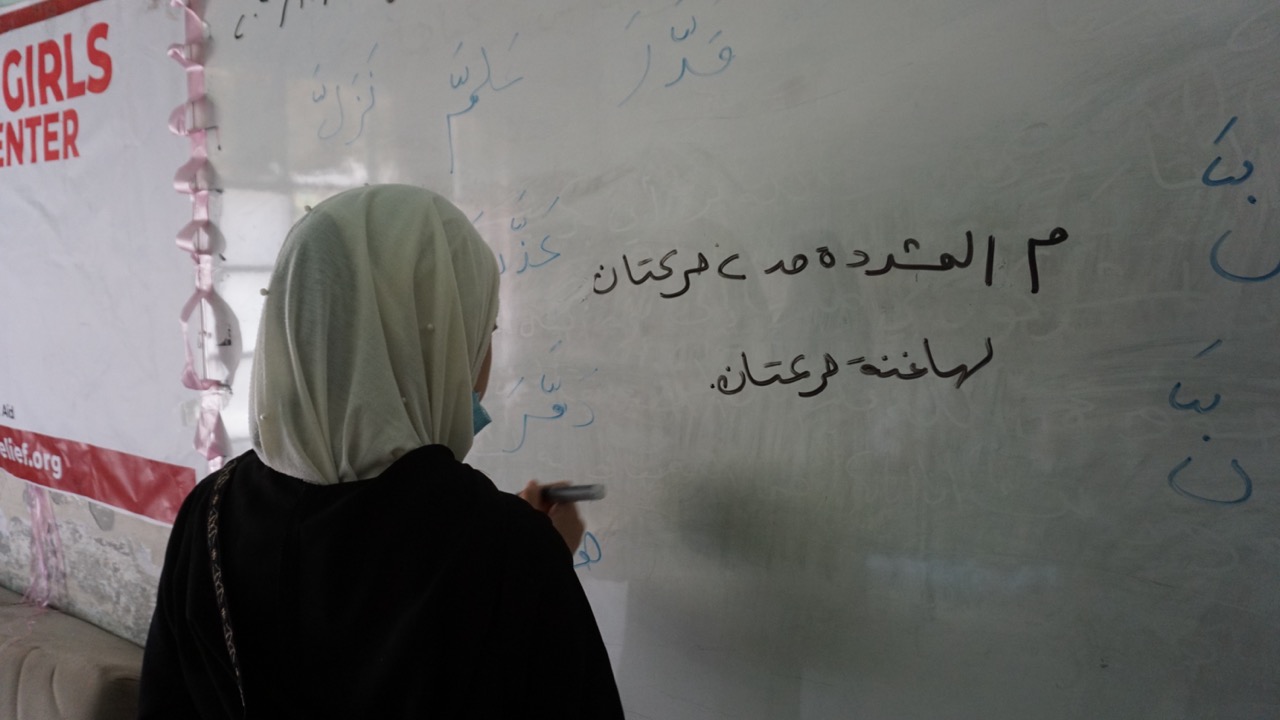
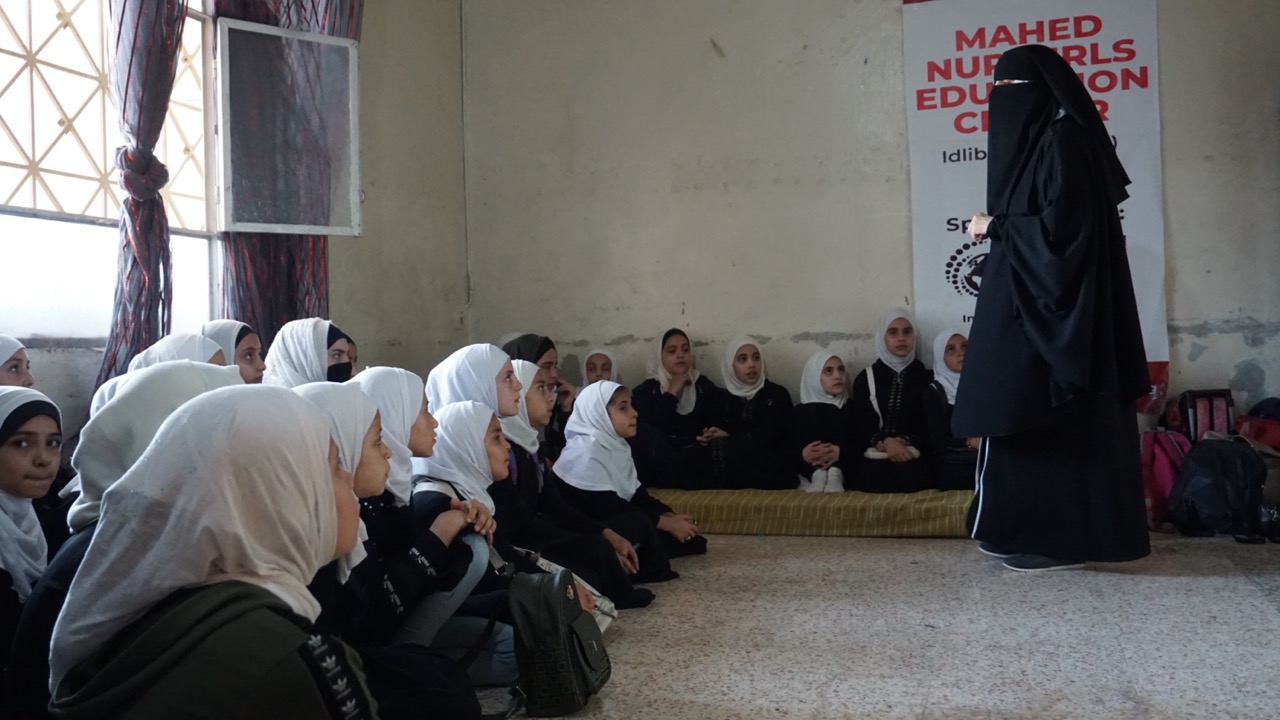
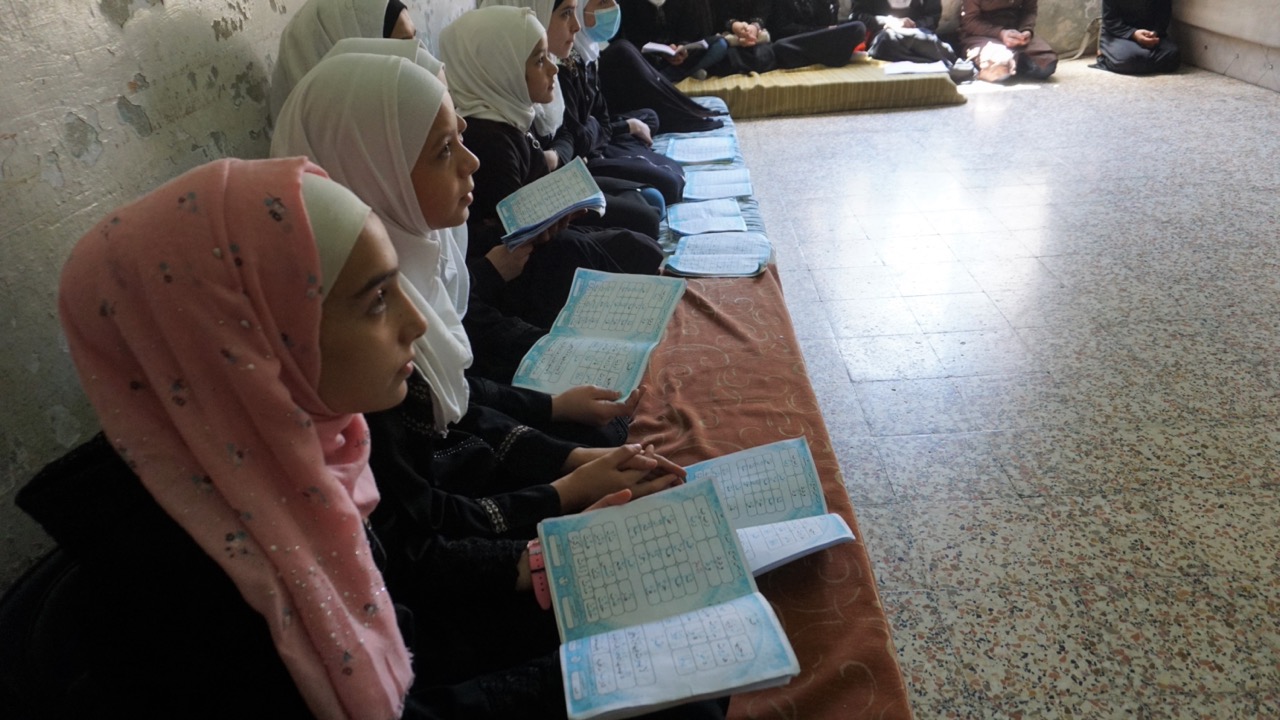
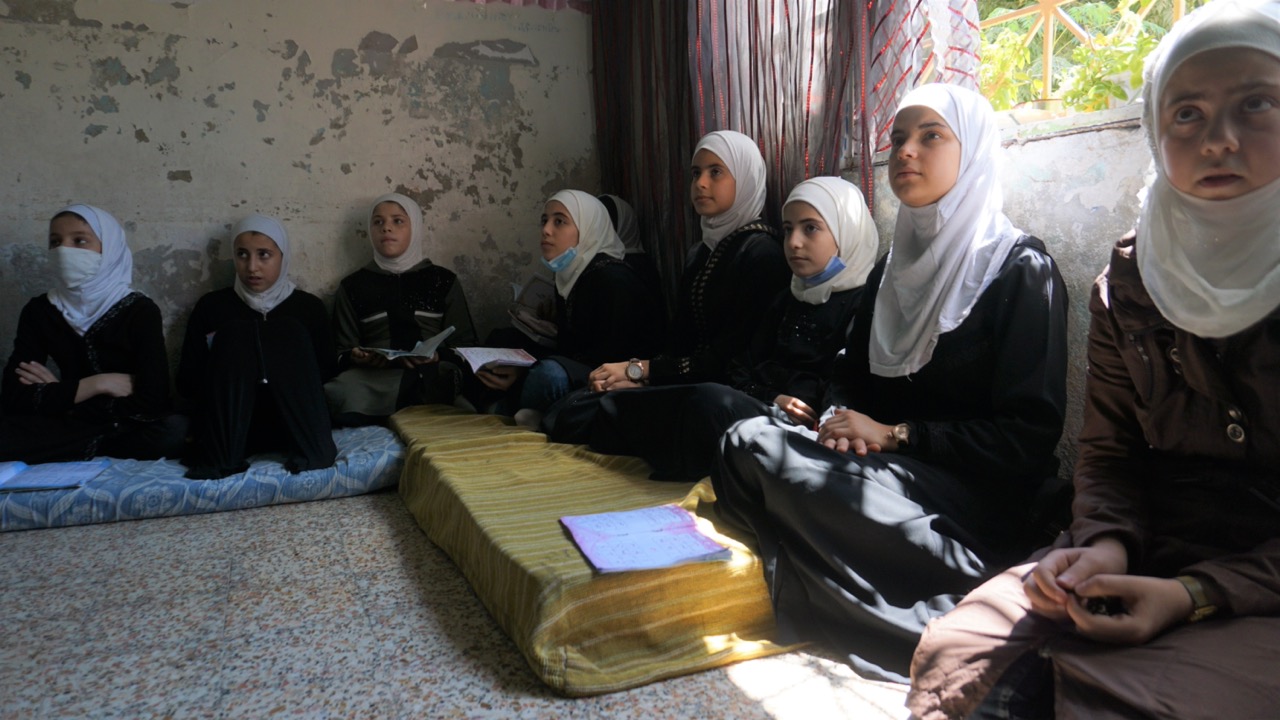
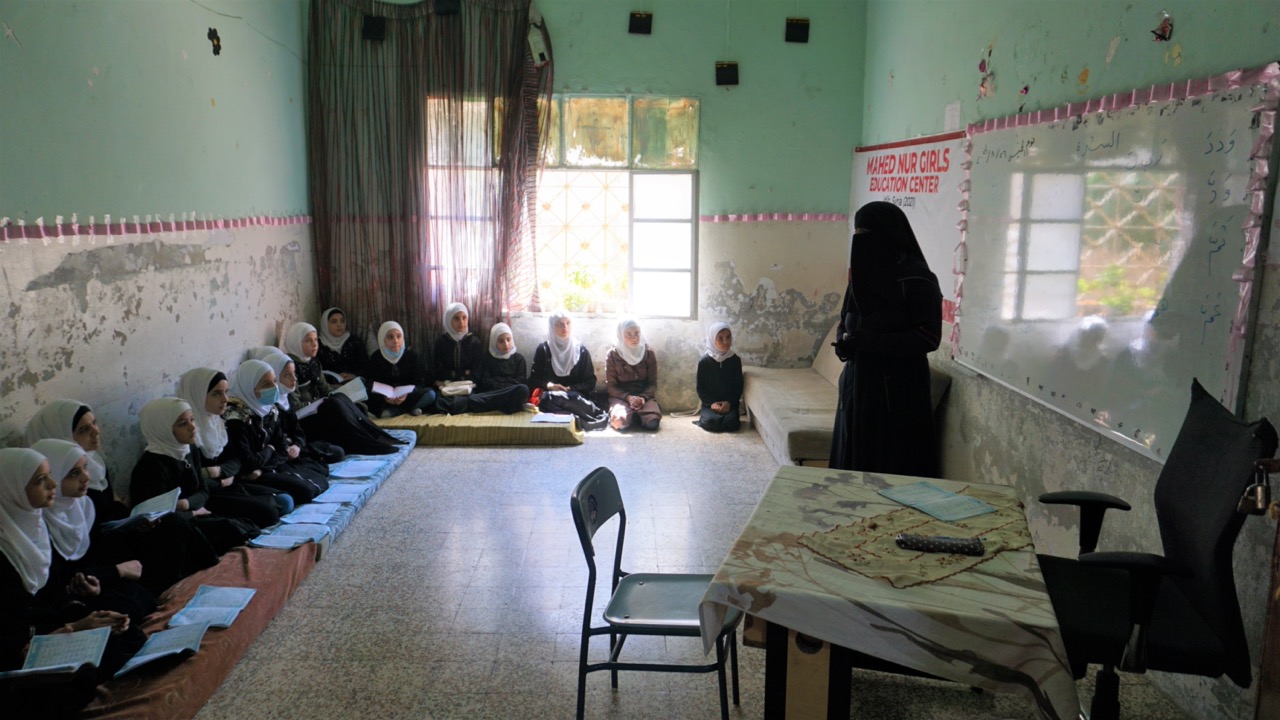
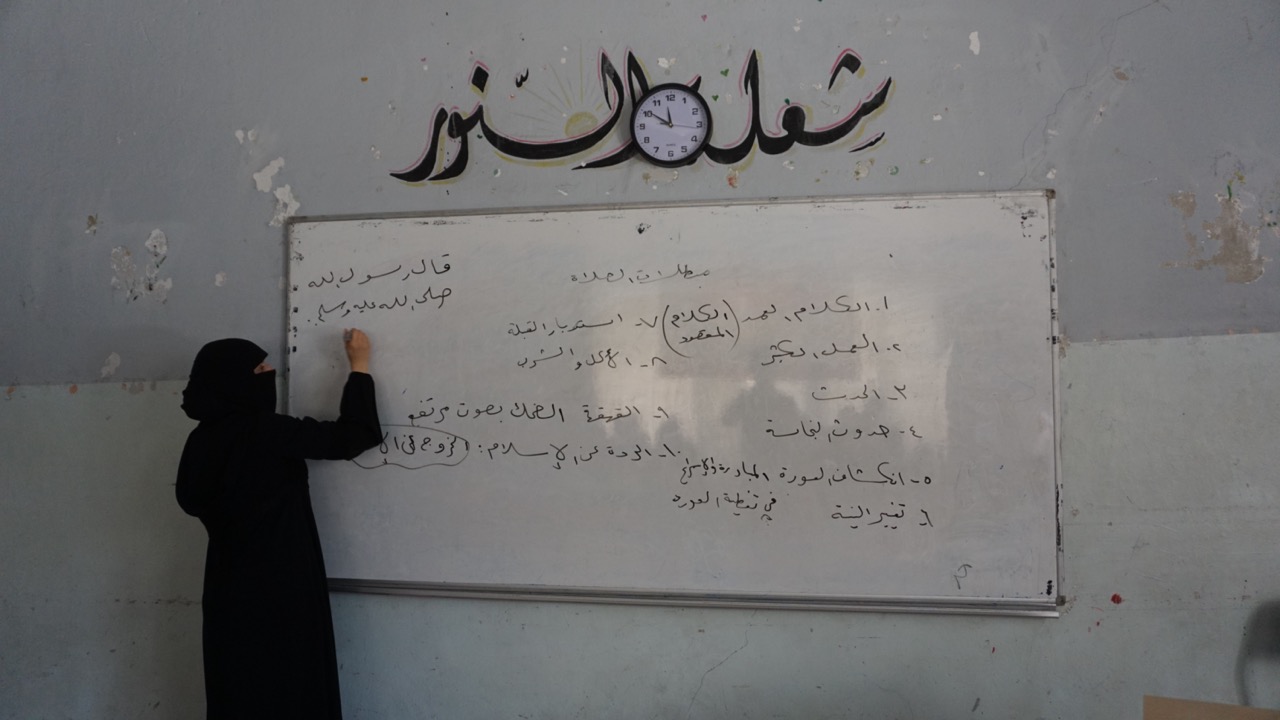
Perhaps most poignantly, in war-torn Idlib, Syria, the Girls' Education Centre defied dangerous conditions to provide safe learning spaces for young women. In a region where girls' education had been disrupted by both conflict and cultural barriers, this center represented a quiet revolution.
"When I grow up, I want to be an engineer to rebuild my country," shared 14-year-old Yasmin during a mathematics lesson.
The centre's walls, decorated with students' artwork and aspirations, stood as a testament to resilience in the face of seemingly insurmountable obstacles.
From opening our first madrasah and mosque in Cambodia to launching regional hubs and responding to disasters, 2020 was a year of growth and giving. We ended it with laughter and impact at our “Comedy for a Cause” dinner, proving joy and generosity can go hand in hand.
The Year In Reflection: 2020
Throughout 2020's global upheaval, GER demonstrated that adaptability and commitment could overcome even the most daunting challenges. By developing creative solutions tailored to each community's unique circumstances, the organization ensured that humanitarian support remained accessible when it was needed most desperately.